+86-13928321129
jiahewell@jhzhb.com
- All
- Product Name
- Product Keyword
- Product Model
- Product Summary
- Product Description
- Multi Field Search
 EnglishEnglish
As devices get smaller and more powerful, finding ways to keep them cool is more important—and trickier—than ever.
What Is Thermally Conductive Gel?
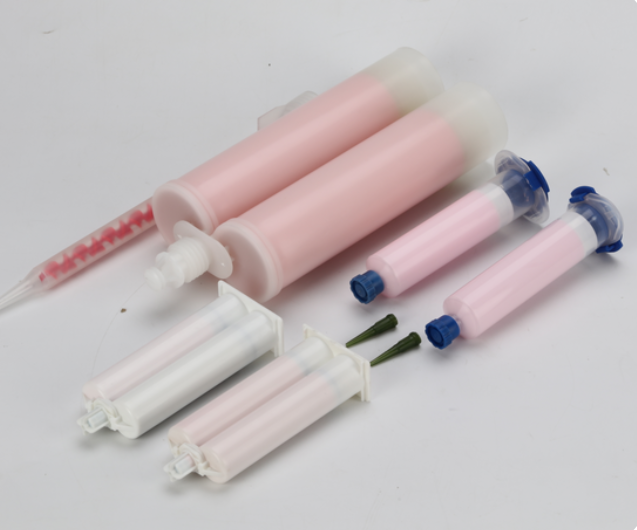
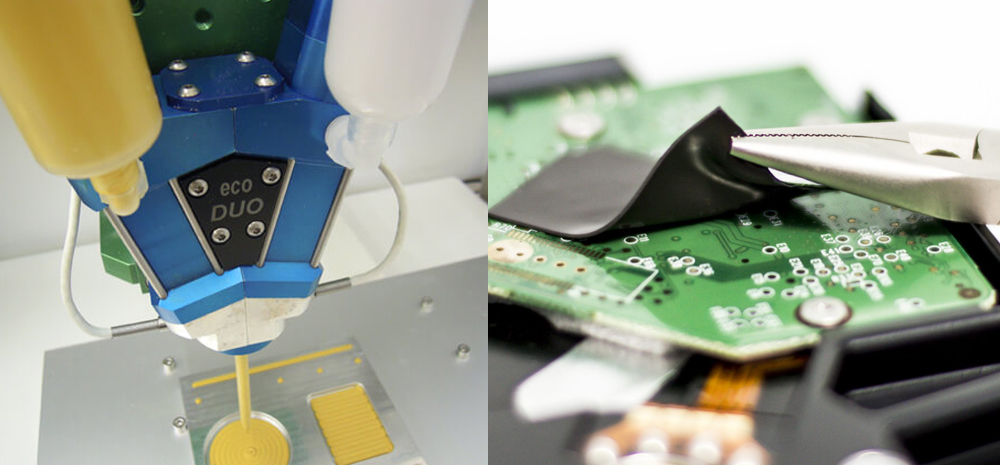
Thermally conductive gel is a soft, flexible material that helps move heat away from electronics. It’s made from polymers, heat-conducting fillers like metal oxides or graphite, and other helpful additives. Because it’s soft and spreads easily, it fills tiny gaps between parts, making it great for transferring heat efficiently.
Where Is Thermally Conductive Gel Used?
1. Cooling Electronics
Devices like phones, laptops, and TVs heat up during use. If they overheat, they can slow down or stop working altogether. Thermally conductive gel pulls heat away from important components, keeping devices cool and working longer.
2. Extending LED Lifespan
LED lights save energy, but they can get pretty hot. Thermally conductive gel helps move heat away from the LEDs, preventing them from overheating. This keeps lights brighter and working well for a longer time.
3. Electric Vehicle Batteries
Electric vehicle (EV) batteries work best at the right temperature. Thermally conductive gel helps pull heat away while the batteries charge or discharge. This makes the car safer and improves the battery's lifespan and performance.
4. Data Center Cooling
Data centers and servers run non-stop, producing a lot of heat. Thermally conductive gel helps transfer this heat to cooling systems, preventing overheating and ensuring everything runs smoothly and efficiently.
5. Wearable Tech and Smart Devices
Small gadgets like smartwatches and fitness trackers generate heat, even though they’re tiny. Thermally conductive gel helps cool these devices, so they work well without overheating. It’s also used in smart home products like speakers and thermostats to keep them from getting too hot.
Why Is Thermally Conductive Gel So Useful?
Here’s why thermally conductive gel is better than older cooling materials like thermal grease or pads:
Efficient Heat Transfer: It quickly moves heat away from hot spots.
Flexible and Easy to Use: It spreads into tight spaces and covers surfaces evenly.
Long-Lasting: It’s durable and works well over time, even with frequent use.
Eco-Friendly: Many gels are made with safe, environmentally friendly materials.
Final Thoughts
Thermally conductive gel is becoming an essential material for managing heat in electronics. From phones and EVs to data centers and smart devices, it offers a modern, reliable way to keep technology cool. As gadgets get more advanced, the need for smart heat solutions will grow—and thermally conductive gel is ready to meet the challenge.